
Introduction
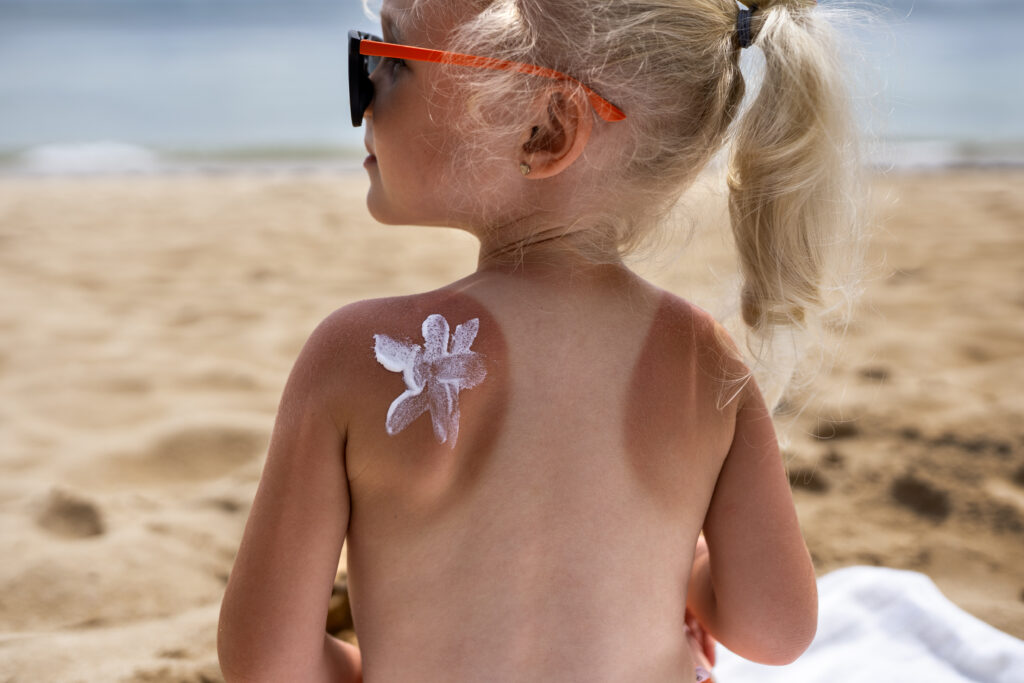
Sun burn in children is a common skin problem. It happens when a child’s skin gets too much sun. Because children’s skin is delicate, sun burn can cause pain and damage. Early care is important. Sun burn in children can also raise the risk of skin problems later in life. Therefore, knowing how to prevent and treat sun burn is key for every family.
Symptoms of Sun Burn in Children
Sun burn in children can show up in many ways. Often, symptoms appear a few hours after sun exposure. However, some signs may take a day to show. Watch for these symptoms:
If your child has these symptoms, sun burn is likely. But, if blisters or fever appear, extra care is needed.
Causes and Risk Factors
Sun burn in children is caused by too much ultraviolet (UV) light from the sun. Even on cloudy days, UV rays can harm the skin. Some children are at higher risk. For example, children with fair skin, light hair, or blue eyes burn more easily. Also, being outside between 10 a.m. and 4 p.m. increases risk. Water, sand, and snow can reflect sunlight, making burns worse. Because children often play outdoors, they need extra protection.
Diagnosis: How Parents Can Identify Sun Burn
Usually, parents can spot sun burn by looking at their child’s skin. Redness, pain, and swelling are common signs. However, if you are unsure, check for other symptoms like blisters or fever. If your child seems very uncomfortable or sick, it is best to call a doctor. In most cases, a doctor can diagnose sun burn by examining the skin. No special tests are needed.
Treatment Options for Sun Burn in Children
Most sun burns in children can be treated at home. However, knowing when to see a doctor is important. Try these home care steps:
But, if your child has blisters, fever, severe pain, or seems very ill, see a doctor. Sometimes, sun burn can lead to dehydration or infection. The CDC and WHO recommend seeking medical care for severe sun burns in children.
Prevention Tips: Protecting Kids from Sun Burn
Preventing sun burn in children is easier than treating it. Try these tips to keep your child safe:
Even on cloudy days, UV rays can cause sun burn. Therefore, make sun safety a daily habit.
Lifestyle Guidance for Families
Families can help children enjoy the outdoors safely. For example, plan outdoor play in the early morning or late afternoon. Encourage wearing protective clothing and hats. Teach children to use sunscreen every time they go outside. Also, set a good example by practicing sun safety yourself. Over time, these habits will protect your child’s skin and health.
Conclusion
Sun burn in children is common but preventable. With the right steps, you can keep your child safe from harmful sun rays. If your child does get sun burn, gentle home care usually helps. However, always watch for severe symptoms. Consult a pediatrician at Yashonandan Hospital for personalized advice on sun burn care and prevention.