
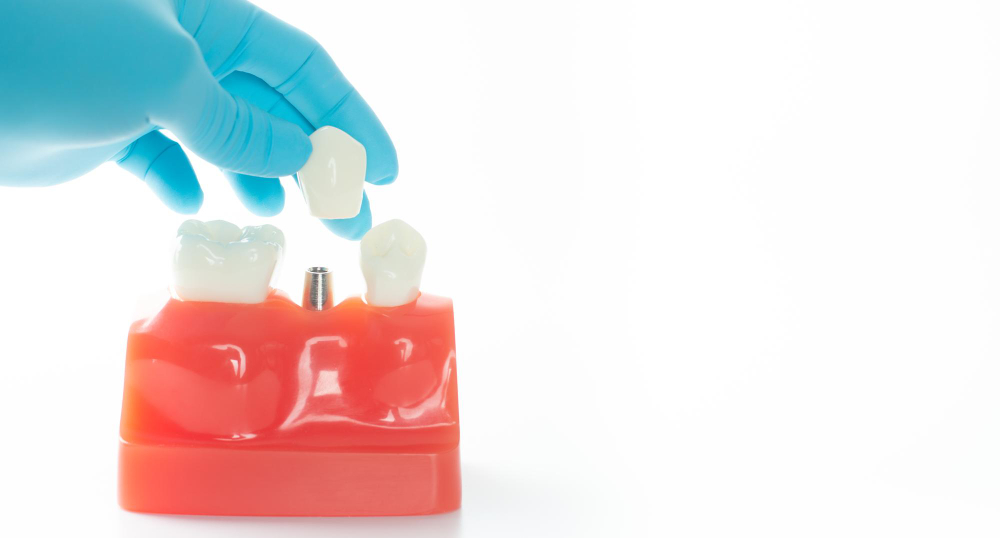
When you lose a tooth, you may wonder about the best way to replace it. Many people compare a single tooth implant vs dental bridge to decide what fits their needs. Both options can restore your smile and help you chew better. However, each choice has its own benefits and risks. Understanding these differences can help you make the right decision for your dental health.
What Is a Single Tooth Implant?
A single tooth implant is a small metal post, usually made of titanium. Dentists place it in your jawbone to act as a new tooth root. After the implant heals, they attach a crown on top. This crown looks and works like a real tooth. For many, this option feels natural and strong. According to the American Dental Association, implants are safe and last many years when cared for well.
What Is a Dental Bridge?
A dental bridge fills the gap left by a missing tooth. It uses the teeth on either side of the gap for support. Dentists place crowns on these teeth, then attach a false tooth in between. This creates a “bridge” over the empty space. While bridges can look natural, they may require changes to healthy teeth nearby. Still, many people choose bridges for quick results and lower upfront costs.
Key Differences Between Implants and Bridges
Although both options replace missing teeth, they work in different ways. For example, a single tooth implant stands alone, while a bridge connects to other teeth. Also, implants protect bone health, but bridges do not. Here are some main differences:
Pros and Cons of Single Tooth Implants
Single tooth implants offer many dental implant benefits, but they may not suit everyone. Let’s look at the pros and cons.
Pros and Cons of Dental Bridges
Dental bridges are a common tooth replacement option. Yet, they come with both benefits and dental bridge risks. Here are some to consider:
How to Choose the Right Option
Choosing between a single tooth implant and a dental bridge depends on your needs. For instance, your oral health, bone strength, and budget all play a role. Dentists will check your mouth and may take X-rays. They will also ask about your health history. After this, they can suggest the best tooth replacement option for you.
Cost Considerations
Cost is a key factor for many people. Generally, single tooth implants cost more at first. However, they may last longer, which can save money over time. Dental bridges usually cost less upfront but may need to be replaced sooner. Insurance plans may cover part of the cost for both options. You should check with your provider to see what is covered in your area.
Frequently Asked Questions
Consult Dr Yashaswini Shetty today for the right guidance and care.