
What Is Cerebral Palsy?
Cerebral palsy is a condition that affects movement and muscle control. It happens when a child’s brain develops in a way that causes problems with movement. According to the Centers for Disease Control and Prevention (CDC), cerebral palsy is the most common motor disability in children. Because it affects the brain, it can cause issues with walking, balance, and coordination. Early support and cerebral palsy rehabilitation can help children reach their best potential.
How Cerebral Palsy Affects Walking
Many children with cerebral palsy have trouble walking. For example, some may walk on their toes, while others may drag one leg. In some cases, children need help from devices like walkers or braces. Since the brain controls muscles, damage to certain areas can make walking hard. However, with the right support, many children improve their walking skills over time.
Common Symptoms Related to Walking Difficulties
Walking problems in cerebral palsy can look different for each person. Still, there are some common signs to watch for:
Because these symptoms can change as a child grows, regular check-ups are important.
Causes of Walking Problems in Cerebral Palsy
Cerebral palsy affects the way signals travel from the brain to the muscles. As a result, muscles may be too tight (spasticity), too loose, or move in ways the child cannot control. Sometimes, bones and joints may grow differently, which can also affect walking. In addition, pain or muscle weakness can make walking harder. Early diagnosis helps guide the best cerebral palsy rehabilitation plan.
Diagnosis and Assessment of Walking Difficulties
Doctors use several methods to check walking problems in cerebral palsy. First, they watch how a child moves and walks. Next, they may use special tests like gait analysis, which looks at how the legs and feet move. Sometimes, X-rays or MRI scans help find changes in bones or muscles. Because every child is different, a full assessment is key to planning treatment. Local cerebral palsy support teams can help families find the right resources.
Evidence-Based Rehabilitation Strategies
Many studies show that early and regular therapy can help children with cerebral palsy walk better. Rehabilitation strategies for cerebral palsy focus on improving strength, balance, and movement. For example, therapy may include stretching, strengthening, and balance exercises. In some cases, doctors may suggest medicines or surgery to help with tight muscles. However, therapy remains the main way to improve walking and mobility.
Physical Therapy Approaches
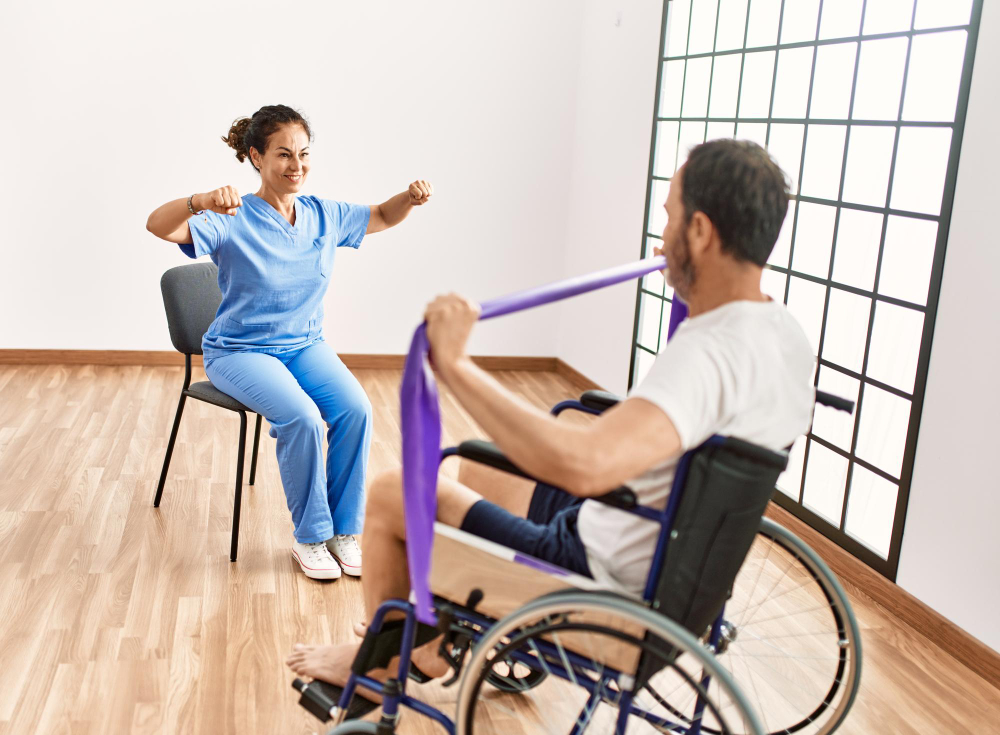
Physical therapy is a key part of cerebral palsy rehabilitation. Therapists use many methods to help children move better. Some common approaches include:
Because each child is unique, therapists create a plan that fits their needs. Over time, therapy can help children gain more independence.
Assistive Devices and Technologies
Some children need extra help to walk safely. Therefore, doctors and therapists may suggest assistive devices. These can include:
In addition, new technologies like robotic walkers or therapy apps can support rehabilitation. Rehabilitation centers near you may offer these tools as part of their programs.
Home Exercises and Lifestyle Tips
Daily practice at home can help children improve their walking skills. For example, families can try simple exercises like:
Because staying active is important, families should encourage movement throughout the day. However, it is best to follow a therapist’s advice to avoid injury.
Prevention of Secondary Complications
Children with cerebral palsy may face other problems if walking is difficult. For instance, tight muscles can lead to joint problems or pain. Therefore, regular therapy and stretching can help prevent these issues. In addition, keeping a healthy weight and staying active lowers the risk of other health problems. Regular check-ups with doctors and therapists are important to catch and treat any new concerns early.