
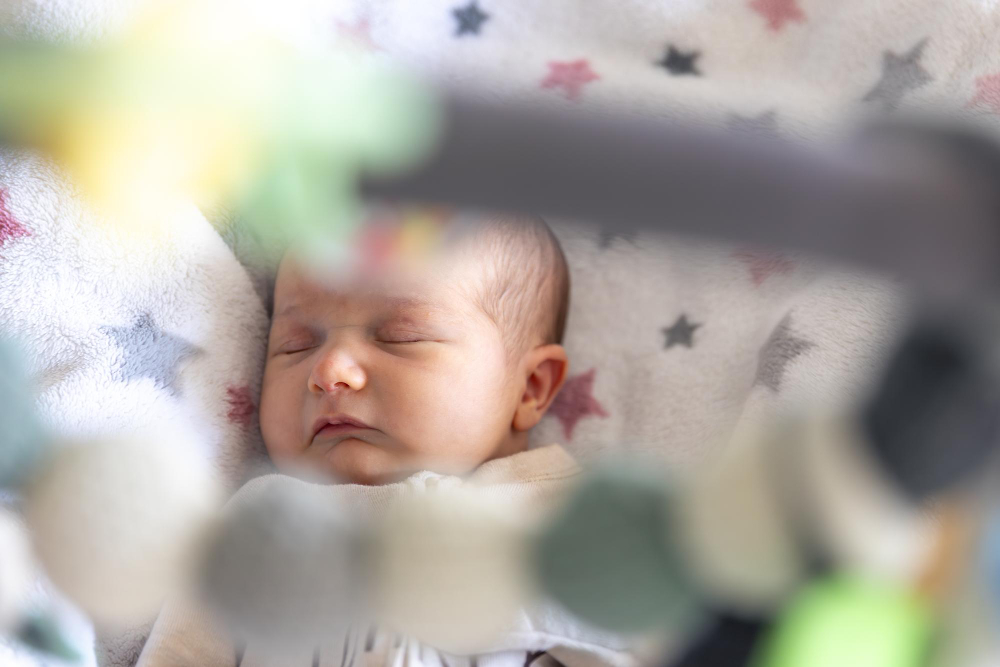
Many new parents wonder about baby sleep patterns. It is normal to have questions, especially during the first few months. Babies often sleep in short bursts, and their sleep can seem unpredictable. However, knowing what is normal can help you feel more confident. Understanding newborn sleep schedules and healthy sleep habits for babies can make caring for your child easier.
What Are Baby Sleep Patterns?
Baby sleep patterns are the ways babies sleep and wake during a 24-hour day. Unlike adults, newborns do not have a set sleep schedule. Instead, they cycle between sleep and wakefulness many times. For example, a newborn may sleep for two to four hours at a time. Then, they wake up to feed or need comfort. Over time, these patterns change as babies grow.
How Much Sleep Do Newborns Need?
According to the CDC, newborns usually need 14 to 17 hours of sleep each day. However, some babies may sleep a little more or less. Most newborns do not sleep for long stretches at first. Instead, they nap and wake often, both day and night. As a result, it is normal for your baby to have an irregular sleep schedule in the beginning. Over the first few months, sleep patterns slowly become more regular.
Common Sleep Behaviors in Newborns
Newborns show several normal sleep behaviors. While these may seem unusual, they are part of healthy development. For instance, many babies:
Because newborns spend more time in lighter sleep, they may wake up easily. This is normal and helps keep them safe.
Factors Affecting Newborn Sleep
Several factors can affect how and when your baby sleeps. For example, feeding needs often shape a newborn sleep schedule. Babies who breastfeed may wake more often to eat. In addition, the environment plays a role. Light, noise, and temperature can all impact sleep. Furthermore, cultural practices may influence sleep routines. In some areas, babies sleep in the same room as parents, while in others, they sleep separately. Each family may find what works best for them.
Tips for Supporting Healthy Sleep in Newborns
While every baby is different, you can help support healthy sleep habits for babies. Here are some tips:
As your baby grows, their sleep schedule will start to change. Still, it is normal for sleep to remain irregular for several months.
When to Seek Medical Advice About Baby Sleep
Most sleep changes in newborns are normal. However, sometimes you may need to talk to your doctor. For instance, seek advice if your baby:
Because every baby is unique, your doctor can help answer questions about your child’s sleep. For any health concerns consult top experts at Yashonandan Hospital